


Preventing Mold
Preventing mold - Heating and Ventilating Properly
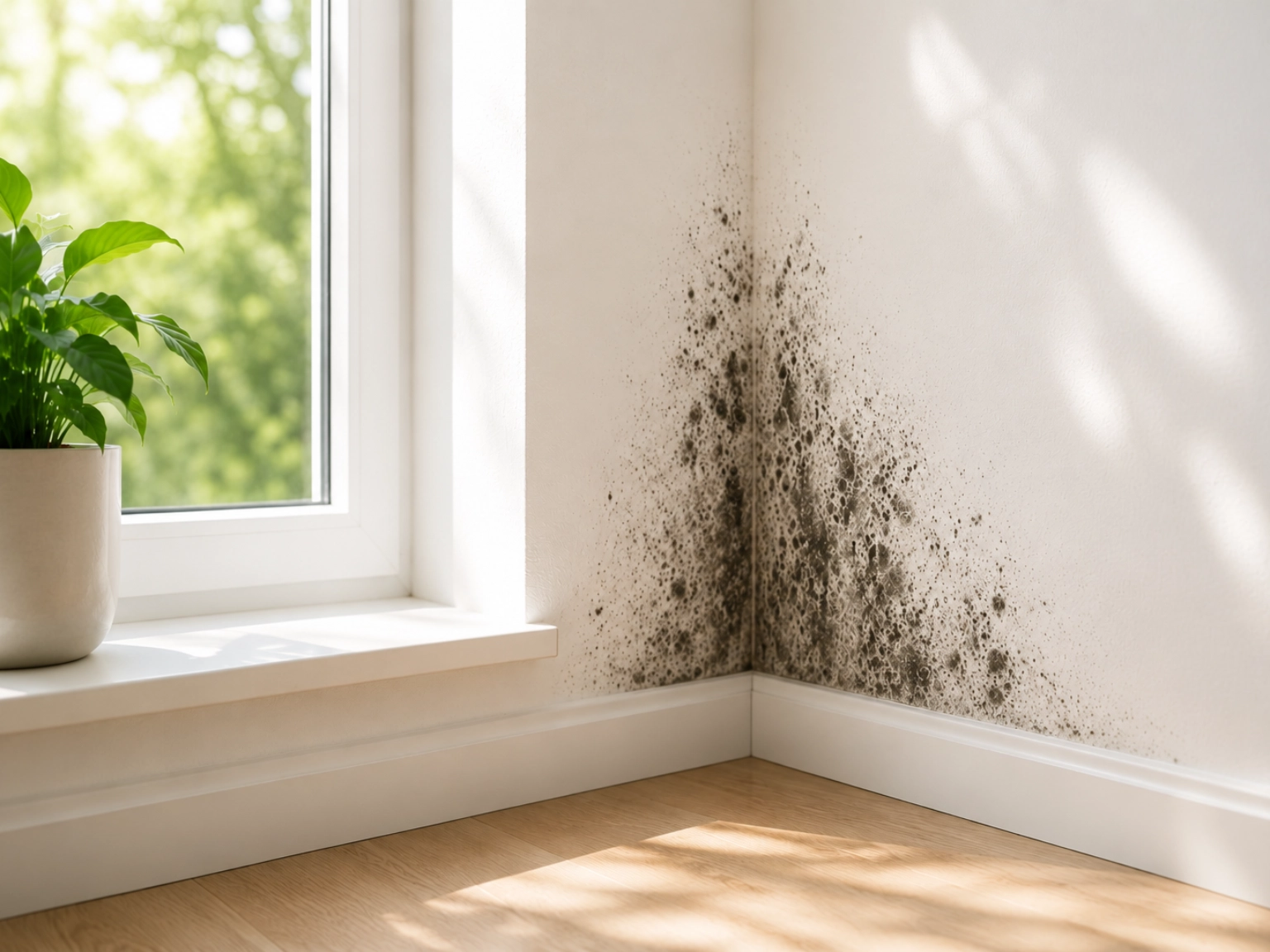
Mold in the home is not only unsightly, but it can also damage the building structure and affect indoor air quality. Especially in well-insulated buildings, it’s important to ensure the right balance between heating, ventilating and room temperature. Everyday activities such as showering, cooking, drying laundry or even breathing create moisture in the indoor air. If this moisture isn’t regularly removed, it can condense in cool areas of the home - leading to mold growth.
Following a few simple guidelines can significantly reduce this risk. On this page, we’ve compiled the most important information and tips for you.
Why does Mold form?
Mold forms when excessive moisture comes into contact with cold surfaces and the moisture is not adequately removed. In modern, well-insulated homes, moisture can hardly escape to the outside - so regular ventilation is especially important.
Typical causes include:
 high indoor humidityl;umen
room temperatures that are too low
windows left tilted open for extended periods
insufficient ventilation
The cooler a room is, the more frequently it needs to be ventilated.
Preventing Mold -
in 4 easy steps
More information available for download
FAQ
Frequently Asked Questions from our tenants
Yes. Even rooms that are rarely used should be heated, since cold rooms are particularly prone to moisture and mold growth.
During the heating season, we recommend ventilating (open the windows completely) each room thoroughly at least three times a day - regardless of the weather.
No. Tilted windows provide very little air circulation, but they do cool the walls. This can promote mold growth and increase heating costs.
Signs may include fogged-up windows, damp windowsills or a musty odor.
Please contact your tenant services department immediately. Together, we’ll determine the next steps to identify and repair any potential damage as soon as possible.
Ventilate and heat your home regularly and keep an eye on the humidity levels. A hygrometer can help you monitor humidity and take action early on.
The humidity in living spaces should ideally be between 40% and 60%. You can easily check the levels with a hygrometer. If humidity consistently exceeds 60%, the risk of mold increases.
 Heat all rooms regularly, even those that are rarely used.
Do not turn the heat off completely, even when your are away.
Use thermostats to maintain a consistent temperature.
Make sure radiators are not covered or blocked.
Open the windows and ventilate several times a day.
Open the windwos for about 5 minutes, keep the interior doors closed.
Avoid leaving windows tilted open all the time - this increases heating costs and promotes moisture buildup.
Be sure to ventilate thoroughly after showering, bathing, cooking or drying laundry.
Fogged-up windows or damp windowsill are warning sign of excessive humidity.
Do not place large pieces of furniture directly against exterior walls.
Leaving a gap 5 to 10 cm allows circulation and prevents moisture biuildup.

Find your contact person
Tenant Relations / Caretaker Finder
Here you will find the contact details of the contact person responsible for your property.