
-
Insect Meadows
-
How are our insect meadows created?
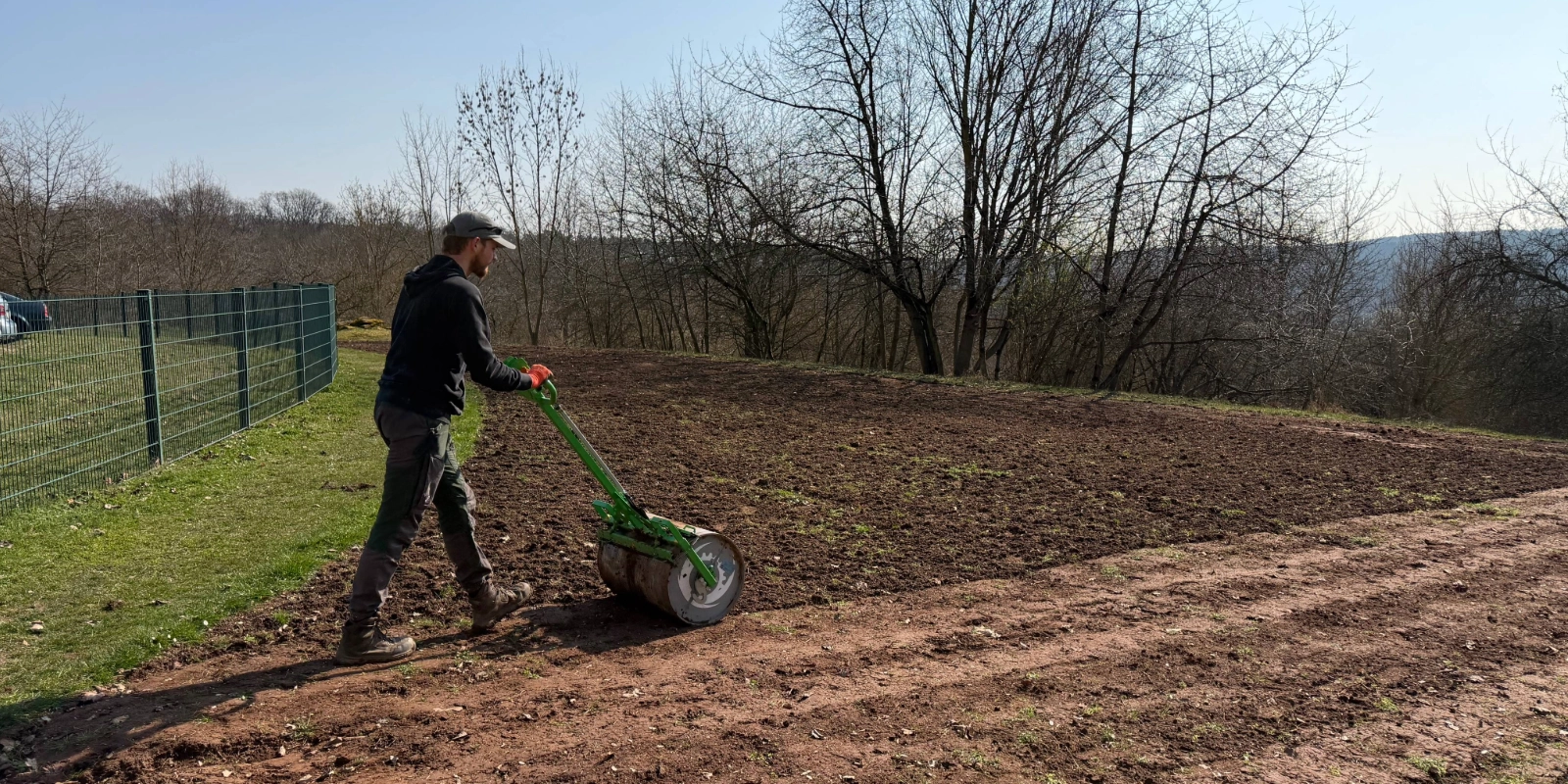
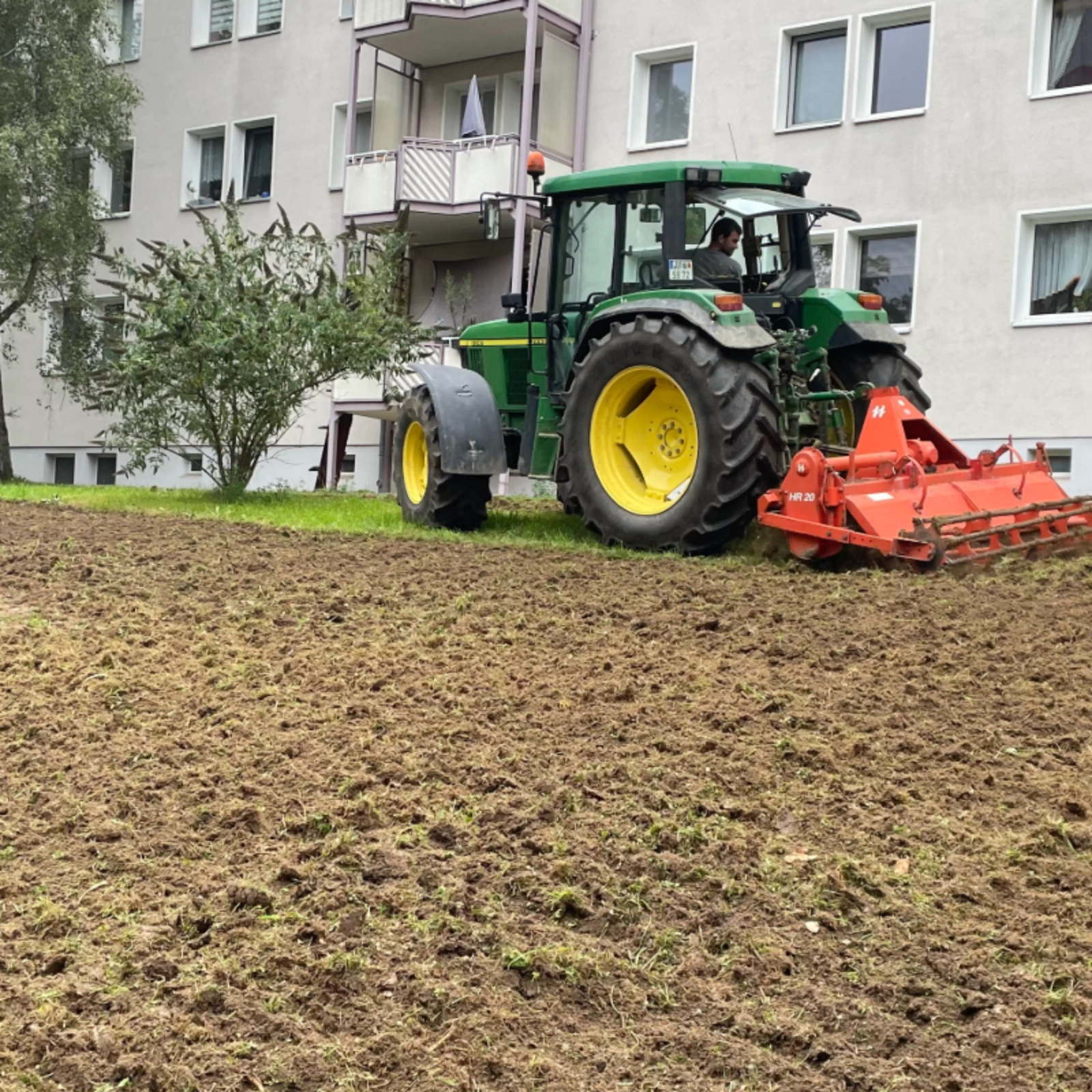
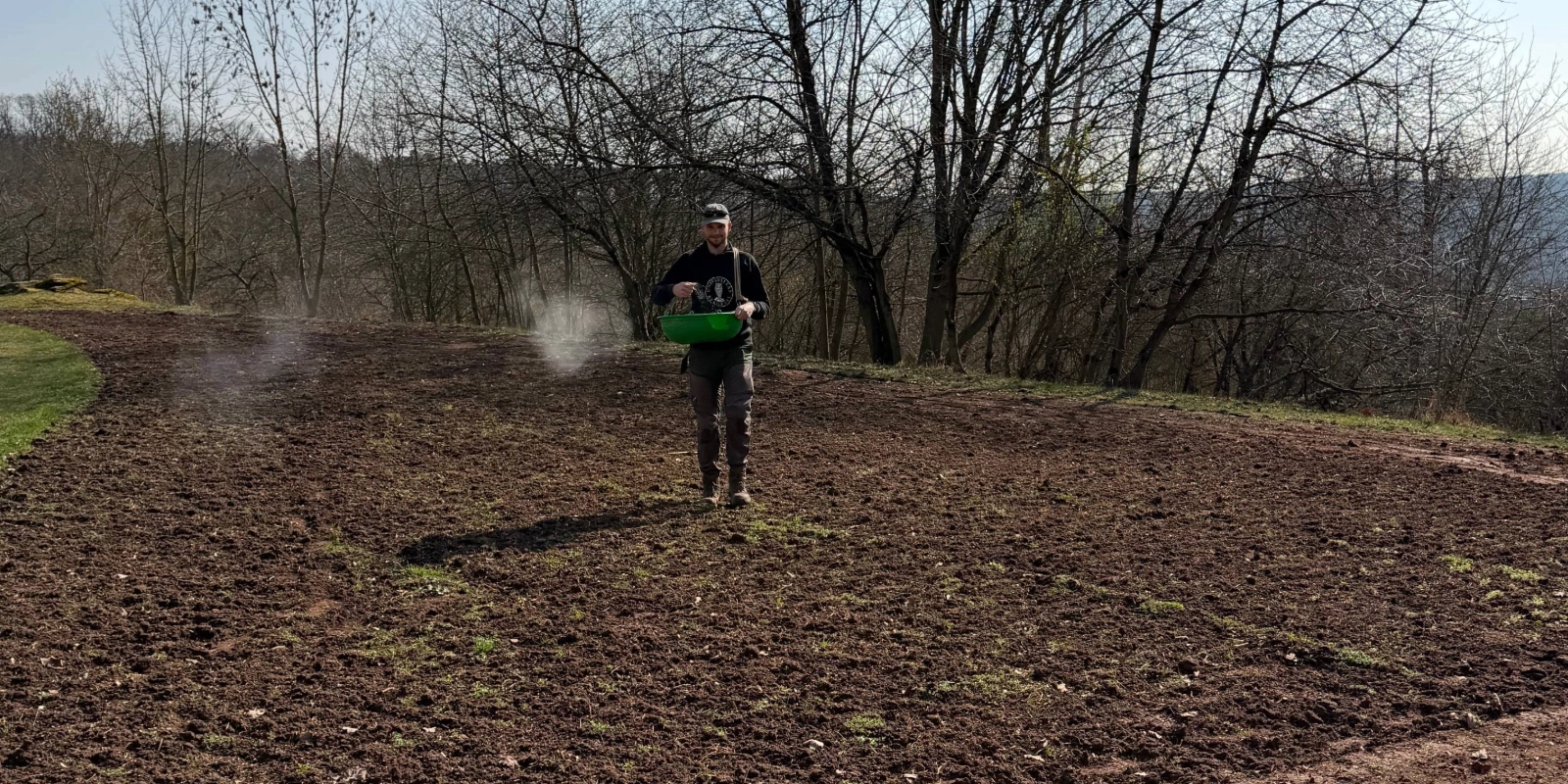
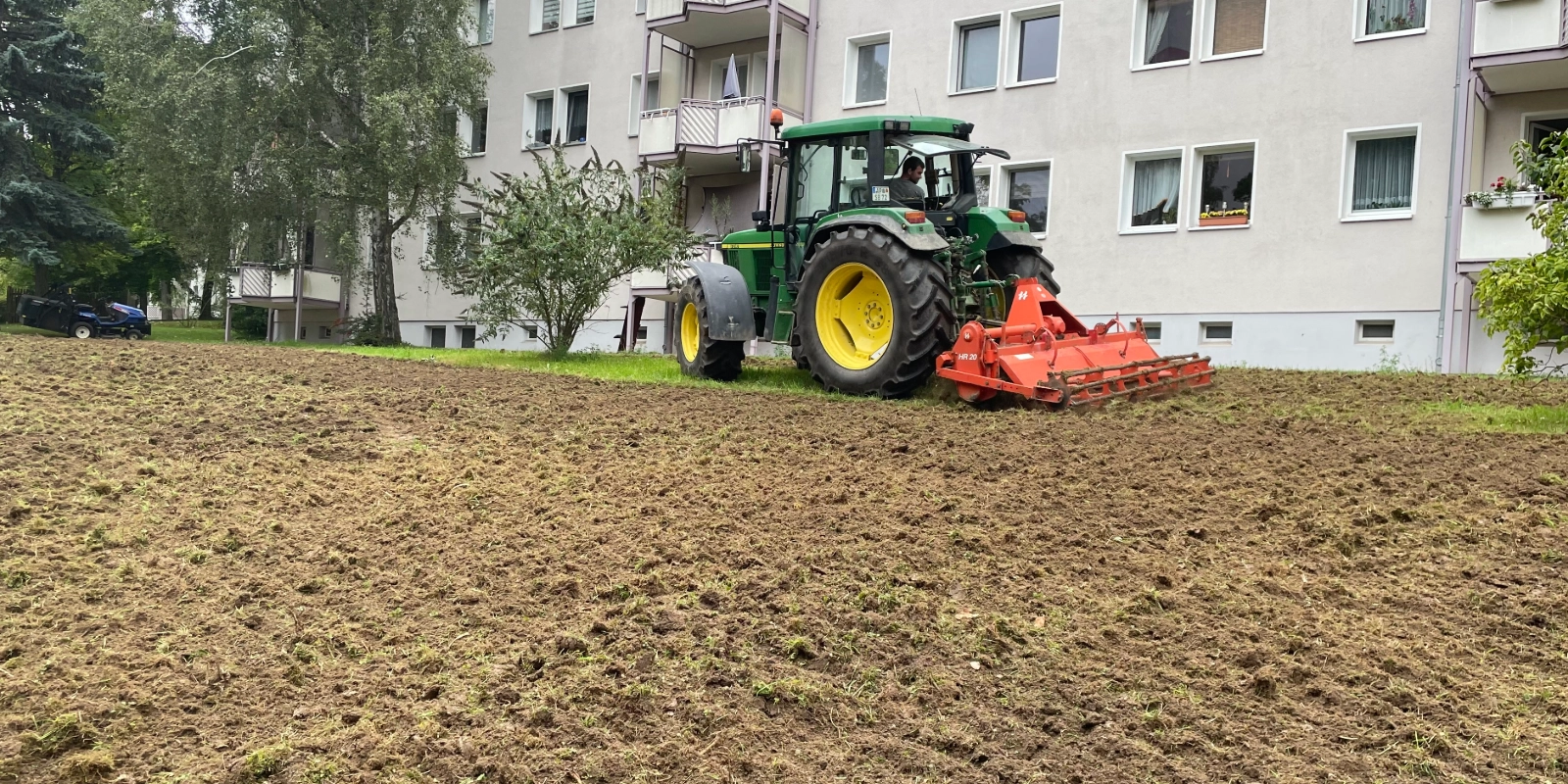
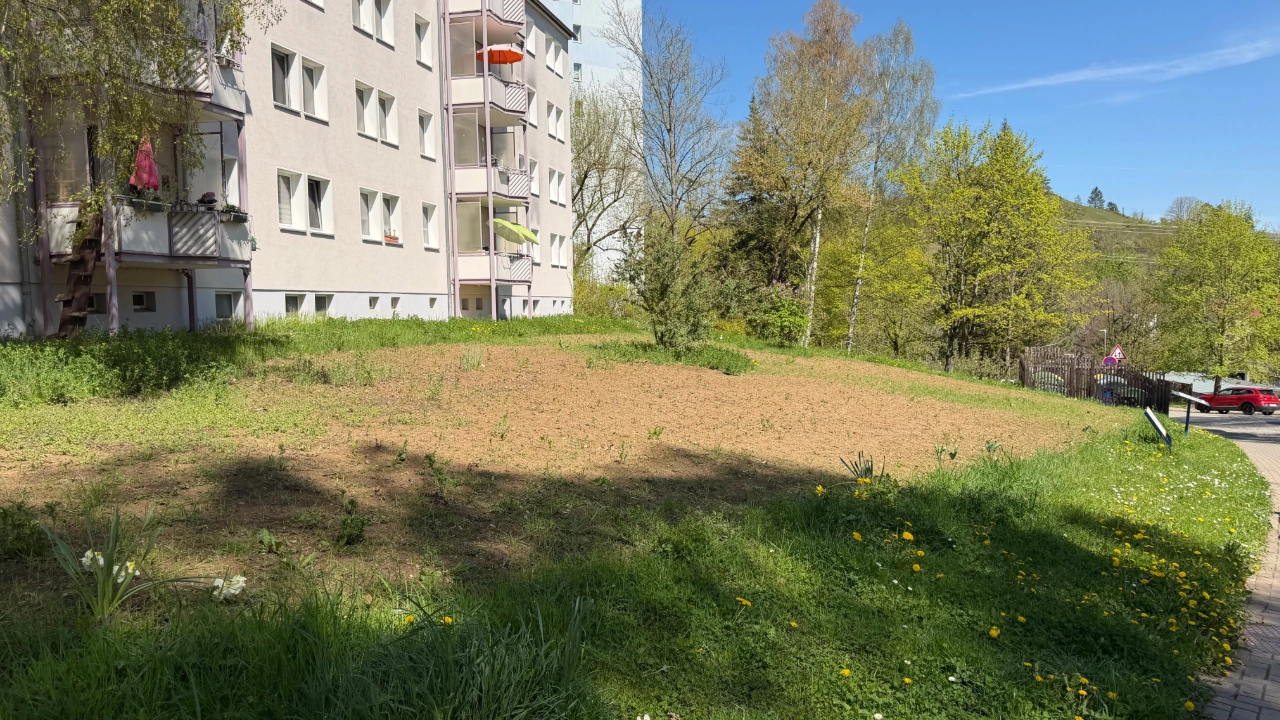
🌱 Old lawns are plowed to loosen the soil.
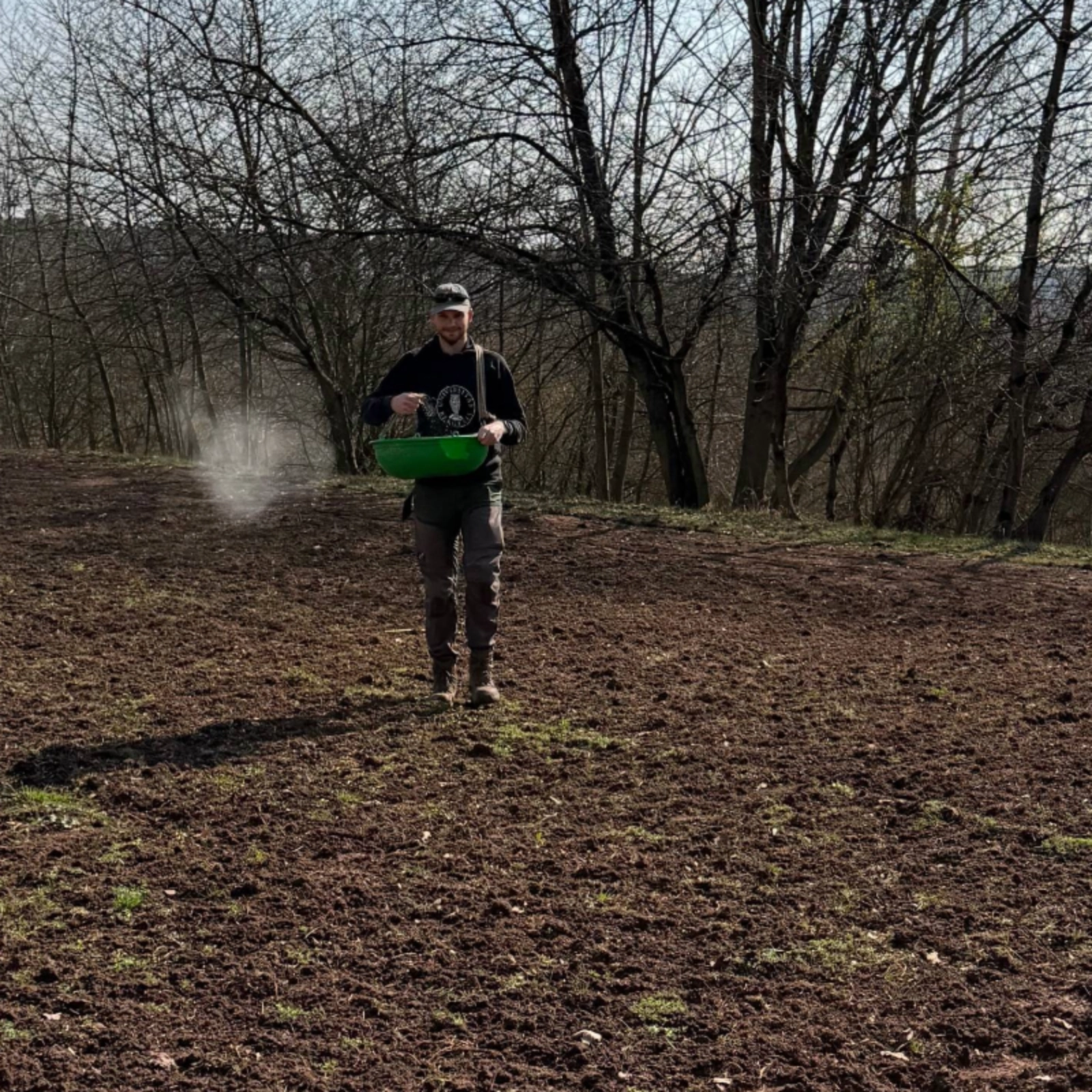
🌱 Seeds of plants native to the region are sown.
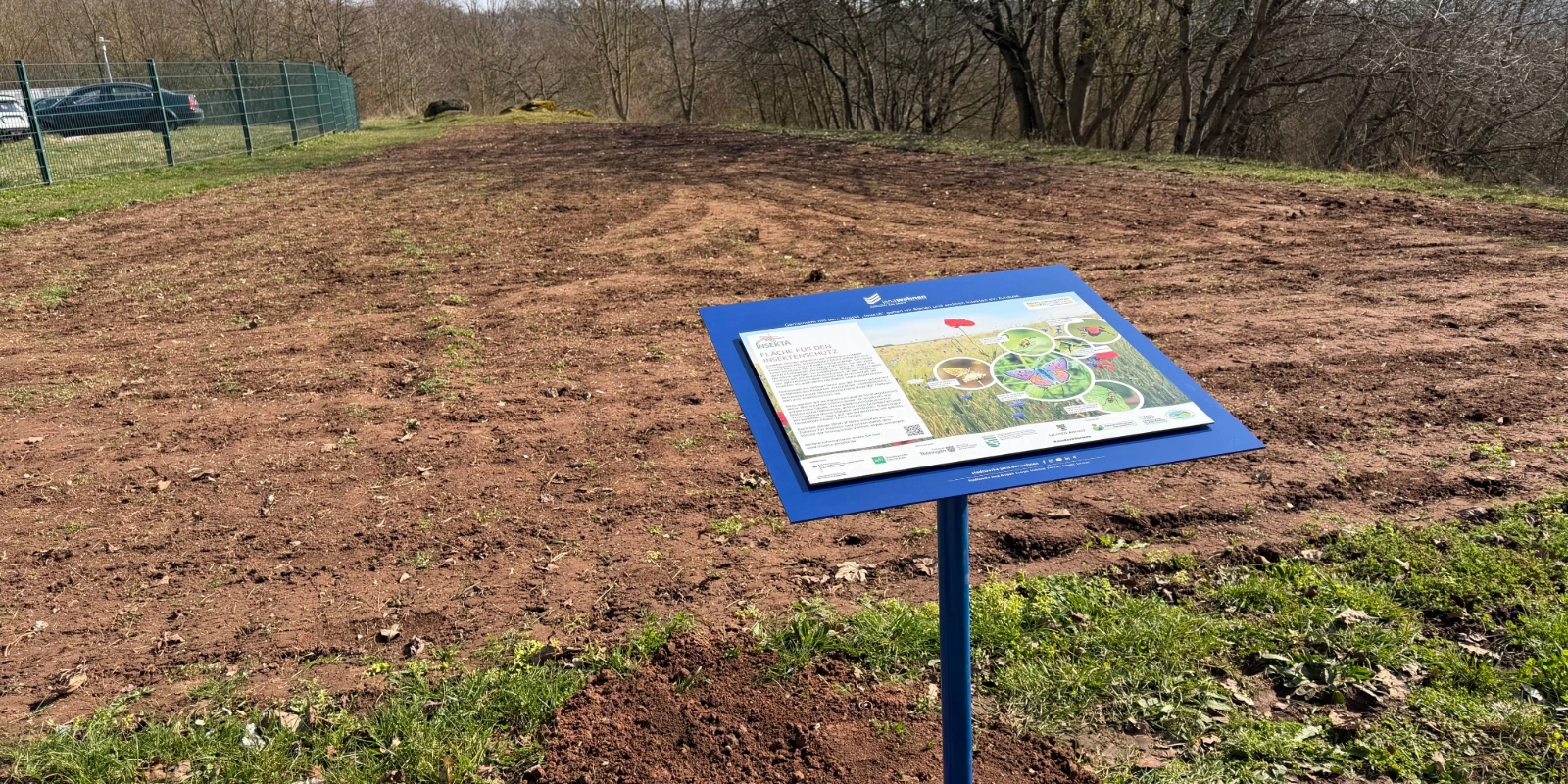
🌱 InsektA regularly monitors the development of the areas.
🌱 Mowing is limited to a maximum of twice a year.
🌱 No fertilization, no artificial irrigation.
Maintenance is handled by specially trained service providers and our groundskeeping teams—with an eye for ecological balance.
Good to know:
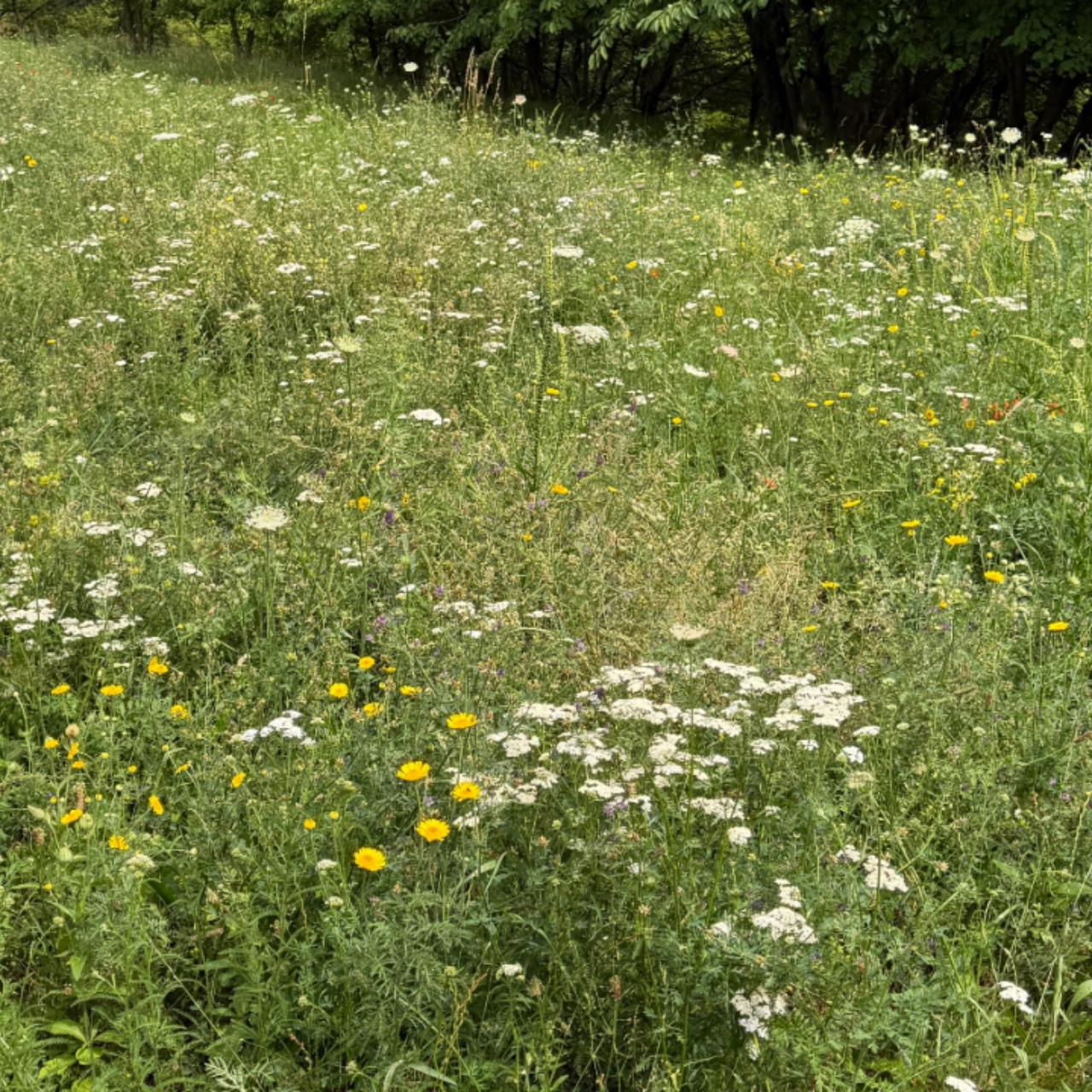
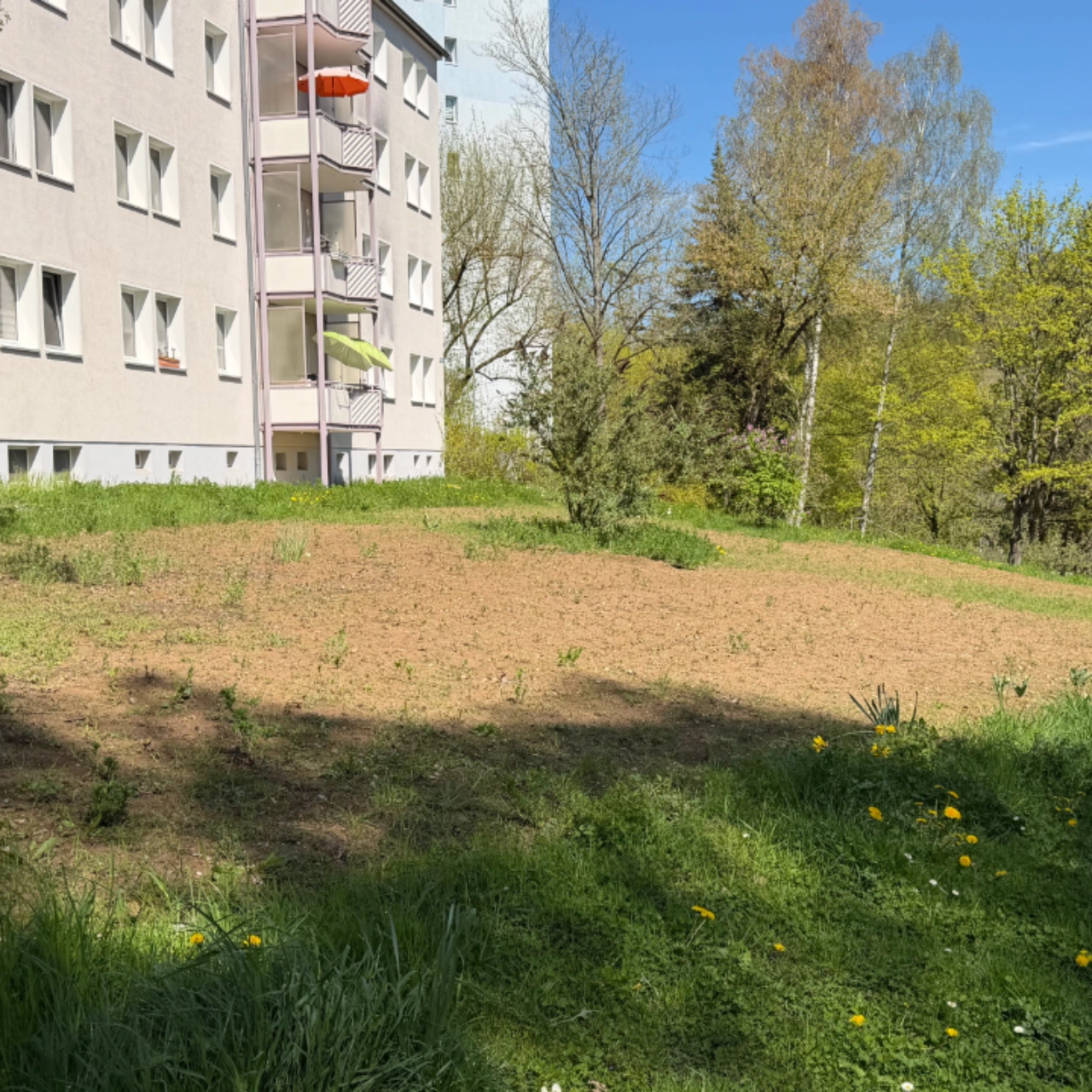
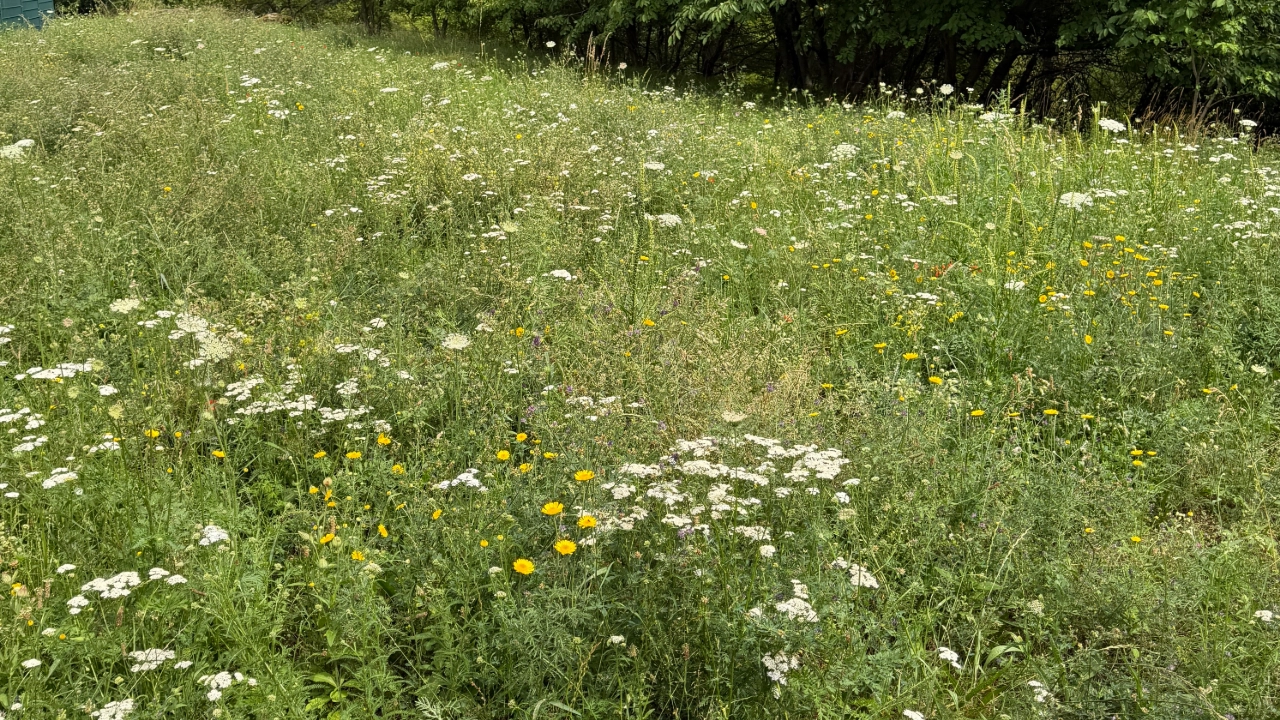
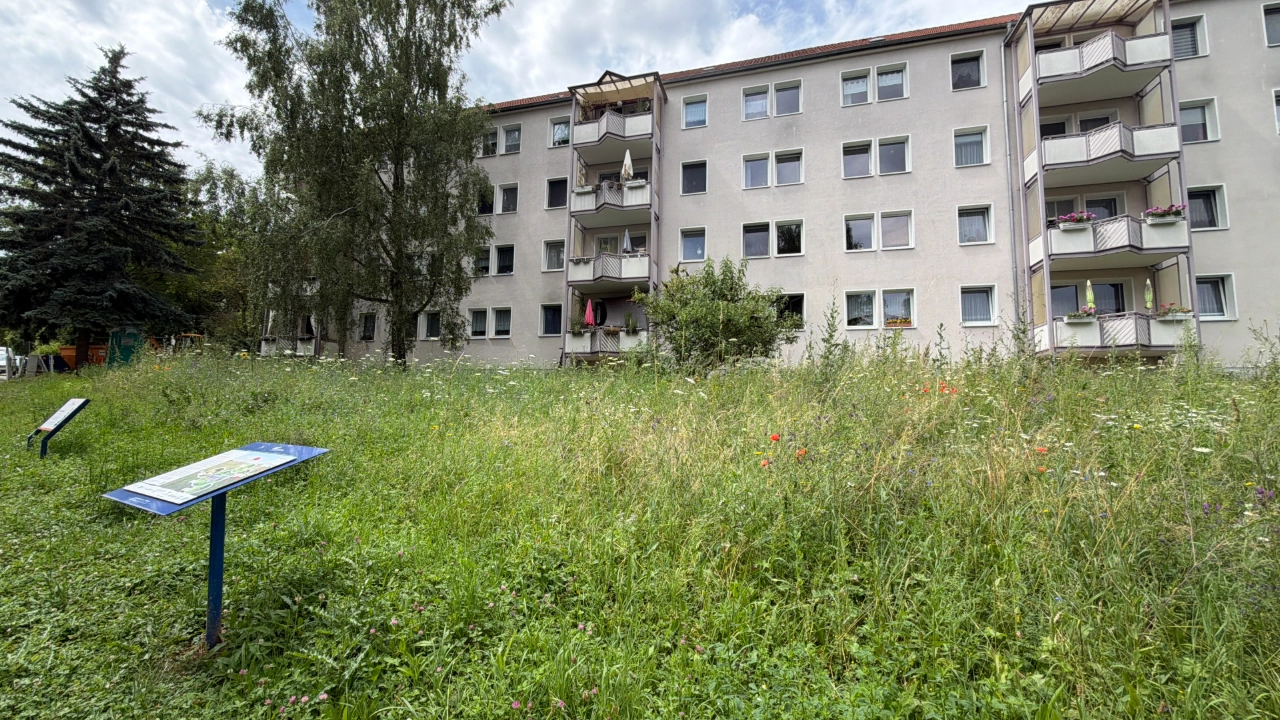
Insect meadows do not bloom all year round. Especially in summer, right after mowing, they may look bare—but that is exactly what is needed so they can bloom in full splendor again the following year.
-
3 meadows in Lobeda
-
4 meadows in Winzerla
-
4 meadows in North Jena
Our Insect Meadows
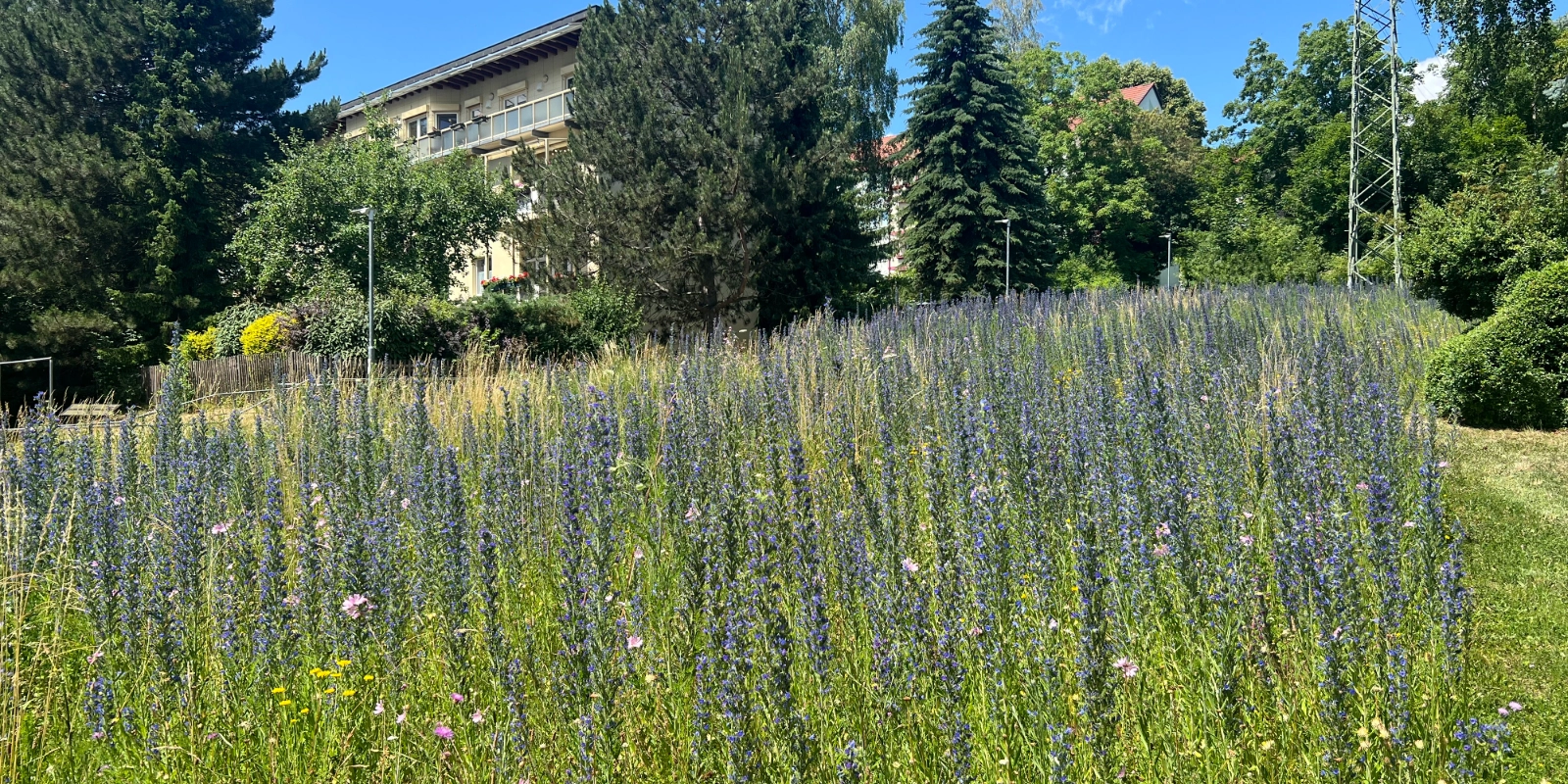
We currently manage 11 insect meadows in Jena, spread across several neighborhoods:
Jena-Nord
- Händelweg – 980 m²
- Gotthard-Neumann-Straße 2 – 700 m²
- Erich-Kuithan-Straße 2 – 645 m²
- Ottogerd-Mühlmann-Straße 35 – 483 m²
Winzerla
- Göschwitzer Straße 48 – 910 m²
- Max-Steenbeck-Straße 2 – 350 m²
- Helene-Weigel-Straße 2 – 721 m²
- Oßmaritzer Straße 19 – 555 m²
Lobeda
- Salvador-Allende-Platz – 456 m²
- Musäusring 39 – 475 m²
- Fregestraße 2/4 – 1,000 m²
Why are insect meadows important?
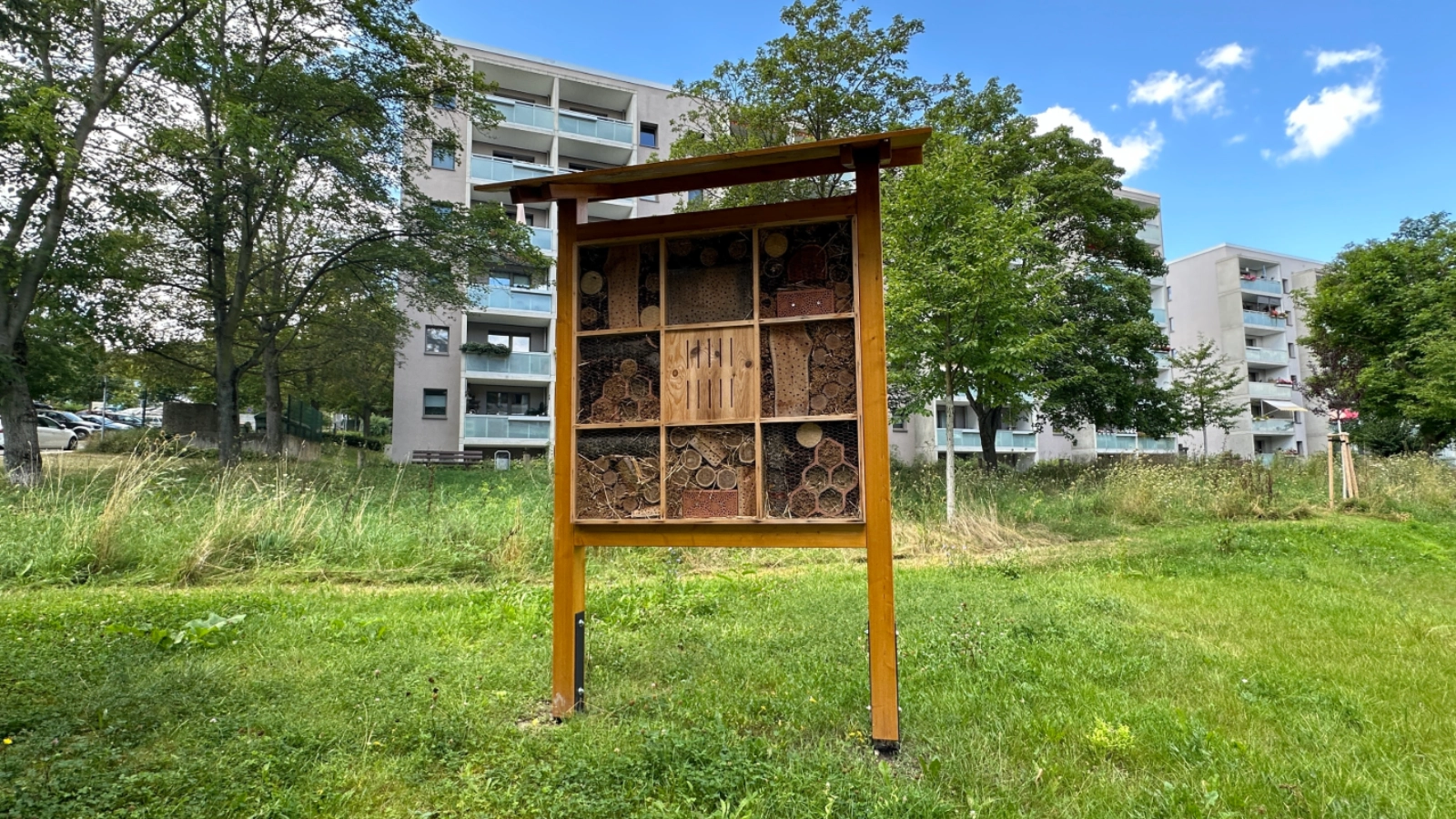
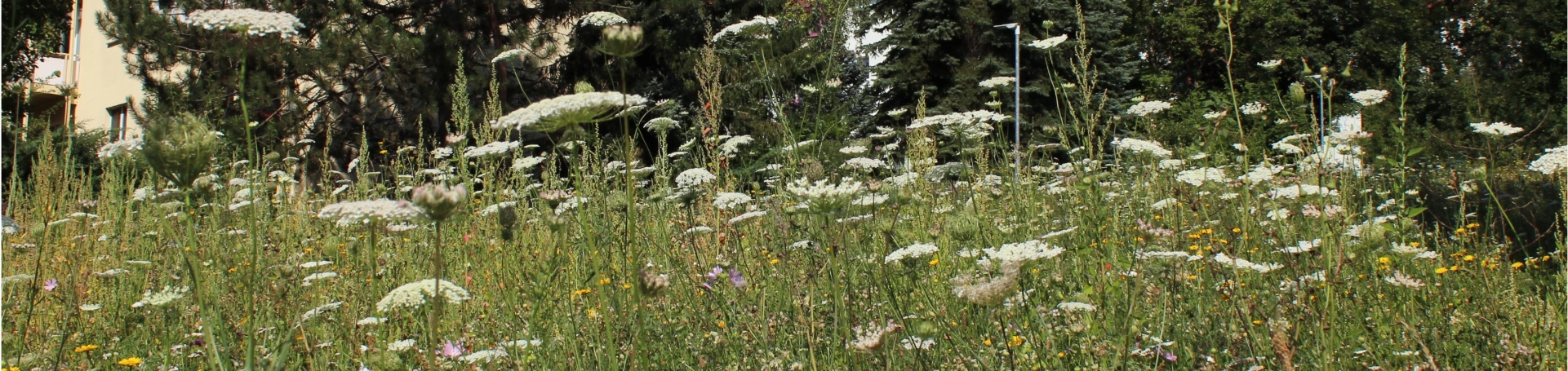
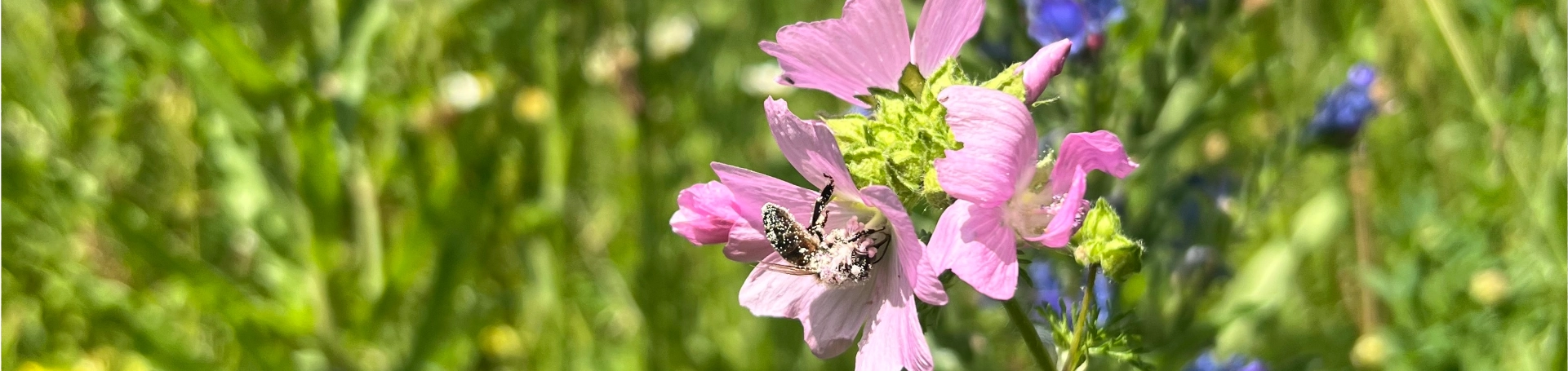
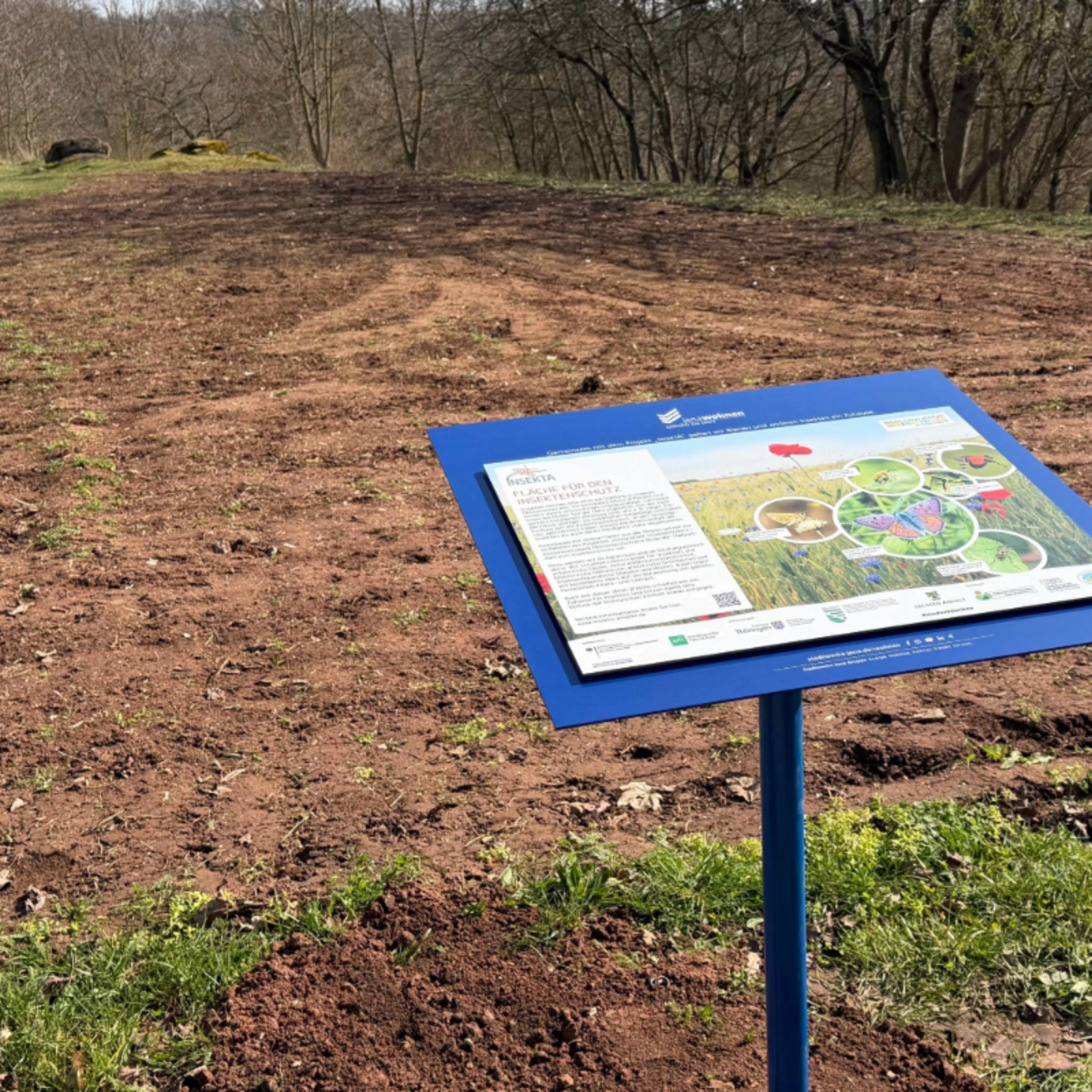
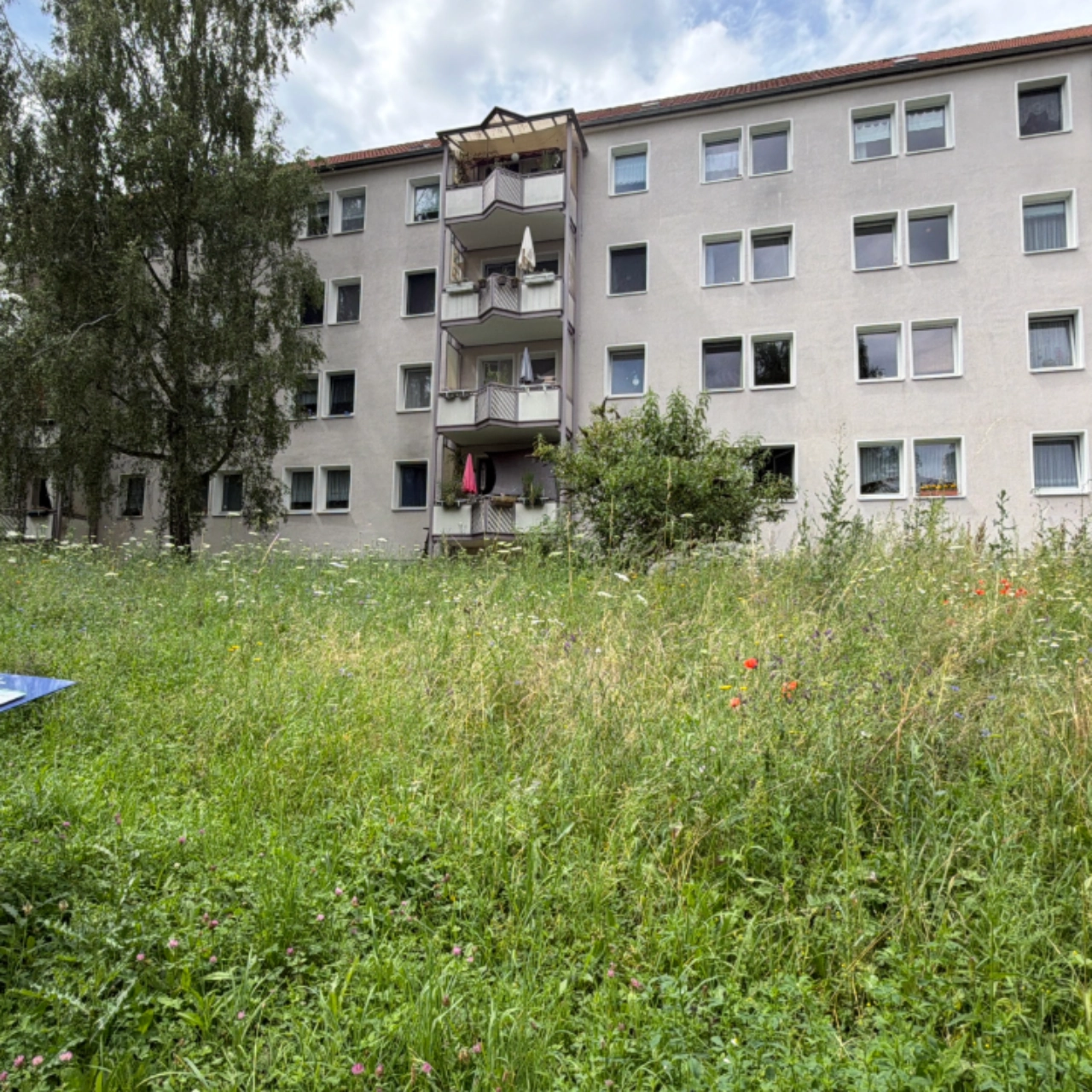
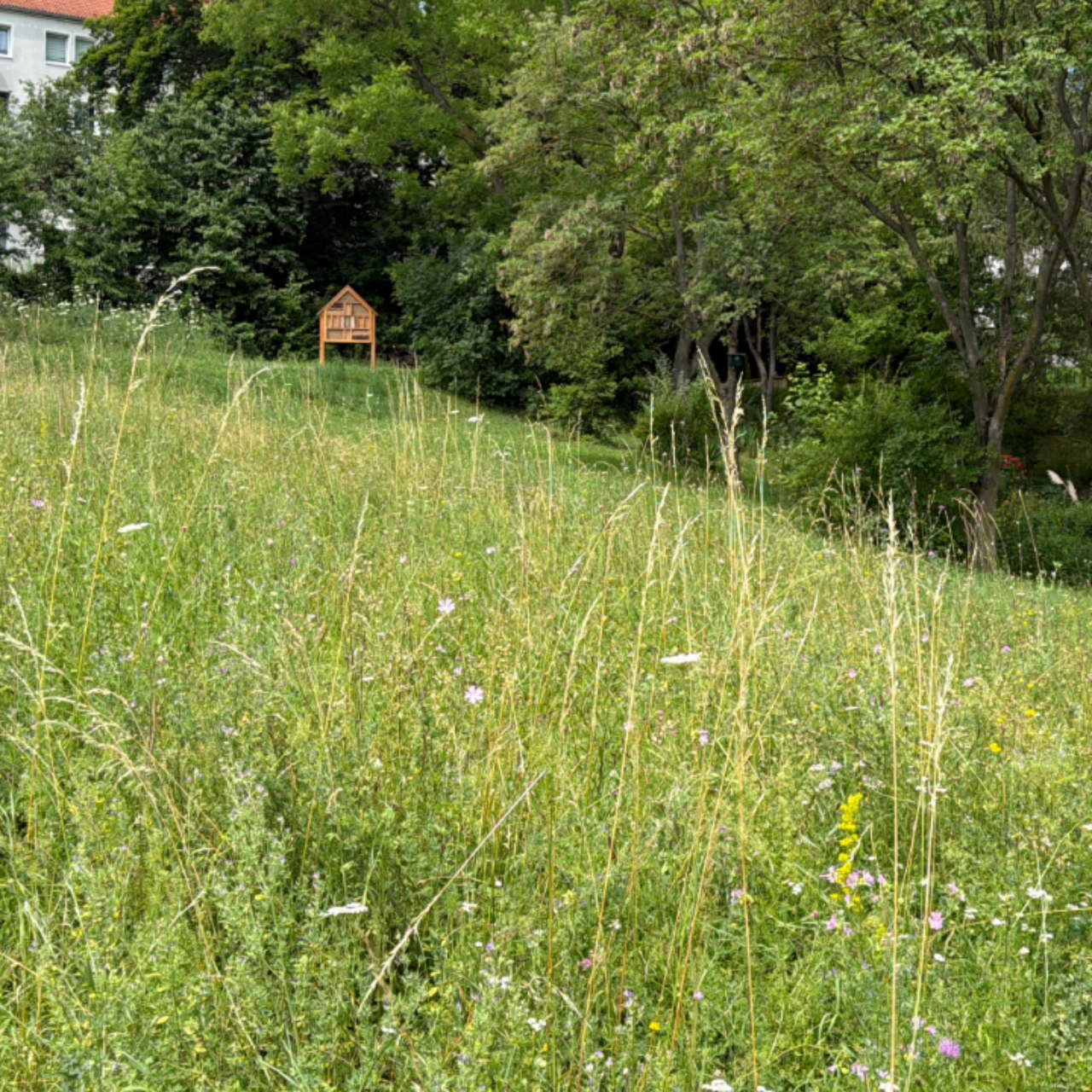
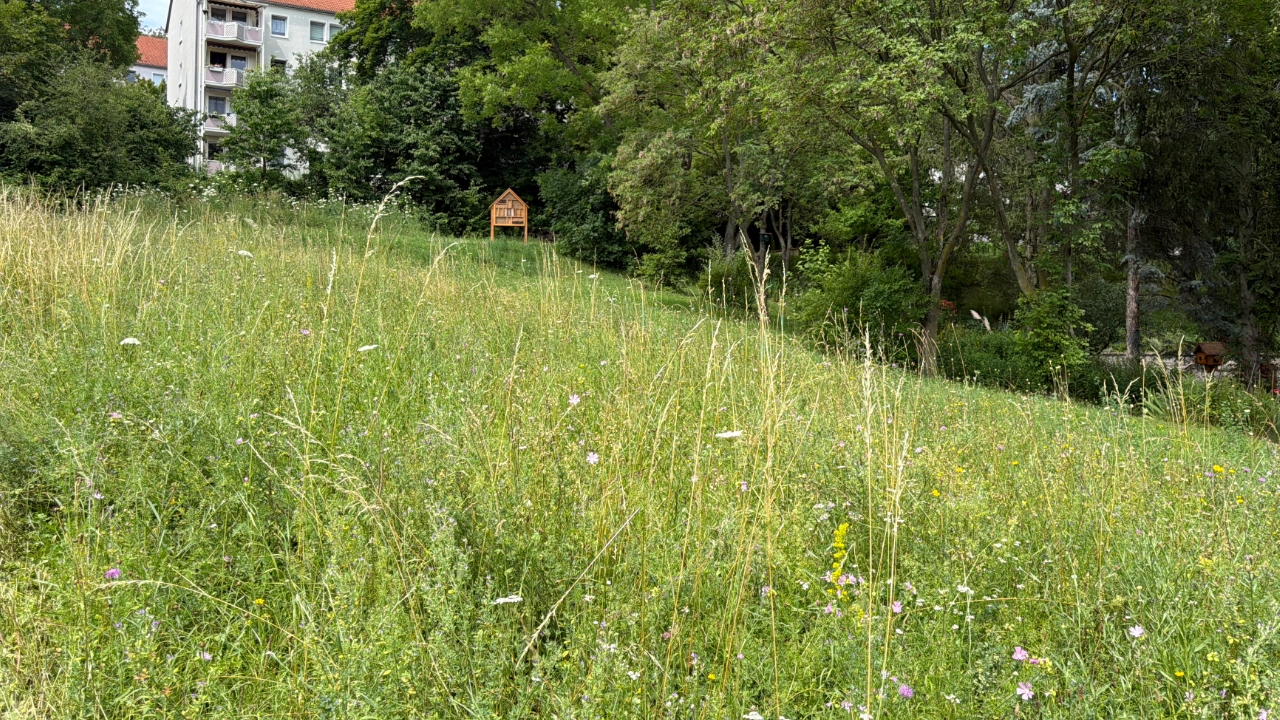
Insect meadows are much more than just beautiful, colorful areas. They provide food, shelter, and habitat for numerous animal species and promote natural biodiversity. By using regional, species-rich seeds, we create biodiverse meadows filled with herbs, grasses, and wildflowers.
We don’t leave insect meadows to chance; instead, we deliberately create and maintain them. The rule here is: less is more—we mow only once or twice a year so that insects retain their refuges. Additionally, the clippings are left on the ground initially so that seeds can fall and take root. From this, the next generation of insect meadows grows.
How are our insect meadows created?
🌱 Old lawns are plowed to loosen the soil.
🌱 Seeds of plants native to the region are sown.
🌱 InsektA regularly monitors the development of the areas.
🌱 Mowing is limited to a maximum of twice a year.
🌱 No fertilization, no artificial irrigation.
Maintenance is handled by specially trained service providers and our groundskeeping teams—with an eye for ecological balance.
Good to know:
Insect meadows do not bloom all year round. Especially in summer, right after mowing, they may look bare—but that is exactly what is needed so they can bloom in full splendor again the following year.
Insect meadows need care
– but a different kind
A common misconception: simply letting them grow isn’t enough.
True insect meadows must be deliberately created and maintained. If you were to simply leave a lawn to its own devices, dominant species or invasive plants would quickly take over—and that is exactly what we want to avoid.
Our insect meadows are modeled after the Thuringian dry grasslands, a historic, man-made meadow landscape. These areas are traditionally mowed, the hay is removed—and what remains is nutrient-poor soil where a particularly wide variety of plants and insects can thrive.
Looking for more space for meadows!
Our insect meadows show that practical conservation is possible even in residential areas—if approached the right way. Developing them takes time, knowledge, and care—but it’s worth it. For insects. For biodiversity. For all of us. That’s why we want to expand the project further in collaboration with InsektA.
report Do you have any ideas about where in your neighborhood would be a good spot for an insect meadow? Then use our “Ideas Box: Sustainability” form and submit your suggestion.
The latest news
-
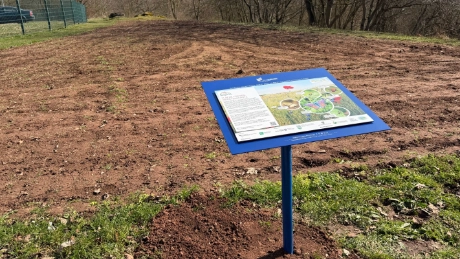 jenawohnen, 2026/03/27Frühlingsstart auf unseren InsektenwiesenAuf unseren neuen Insektenwiesen wurde die Aussaat ausgebracht. Bereits im letzten Jahr wurden die...read more
 -
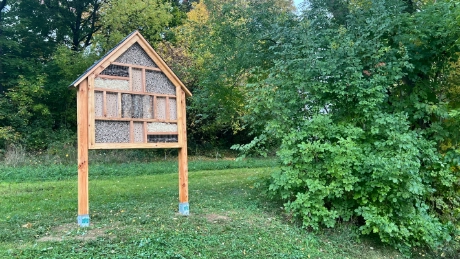 jenawohnen, 2025/10/17Neues Insektenhotel in Jena-NordAuf dem Hang neben der Gotthard-Neumann-Straße 2 wurde in den vergangenen Tagen ein weiteres...read more